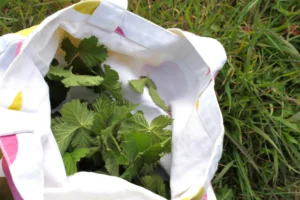

Let me start by saying, there’s no substitute for a cup of traditional, caffeinated tea. There just isn’t. Nothing quite hits the spot.
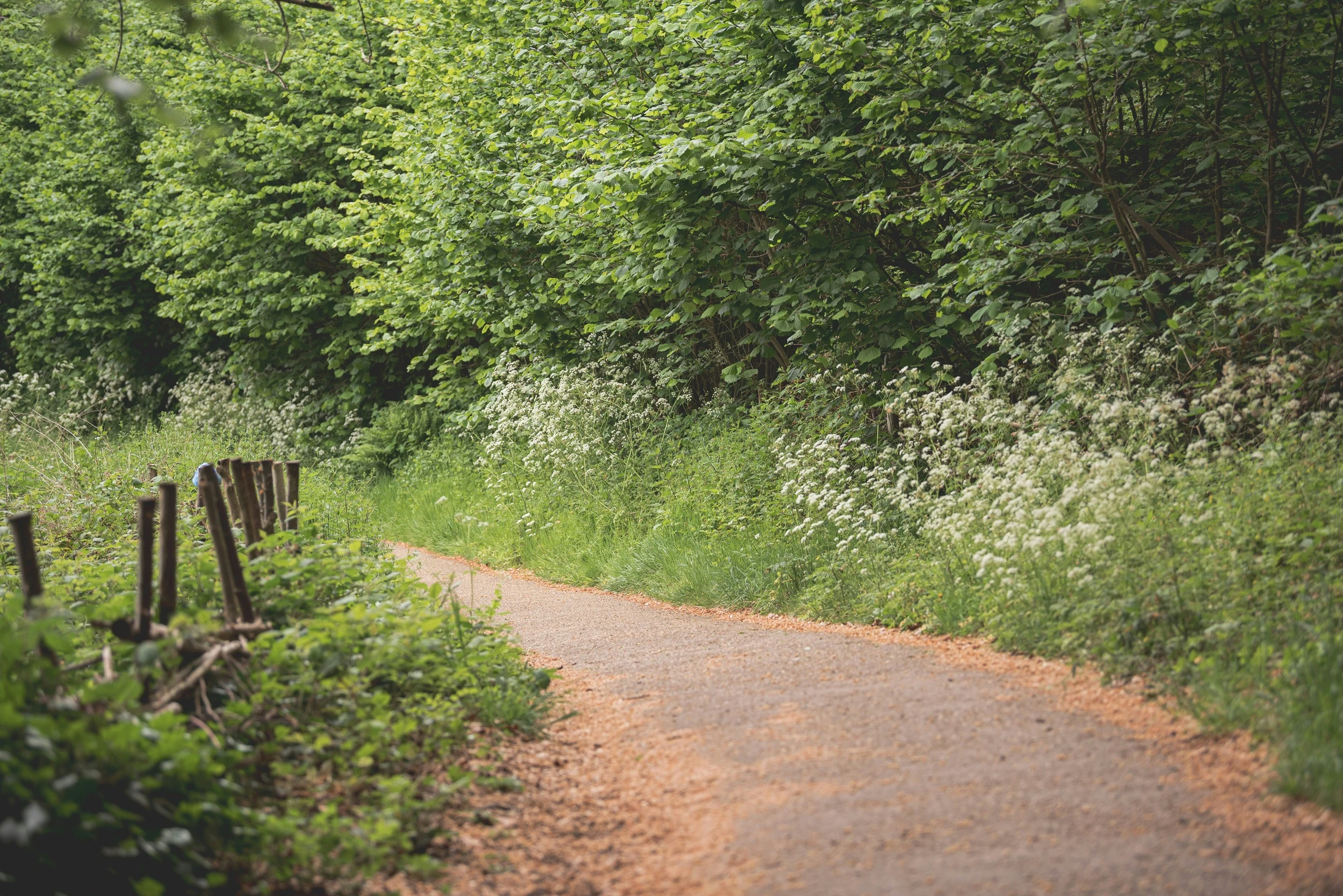
However, whether you are looking to cut down on caffeine, reduce your spending, or just like the process of growing and making things with your own two hands, there are some British-native alternatives you can try.
All five options are free to forage in the UK or you can have a go at growing them in your garden.
Spoiler: they’re delicious.
1. Blackberry Leaf Tea
Best Time of Year: March
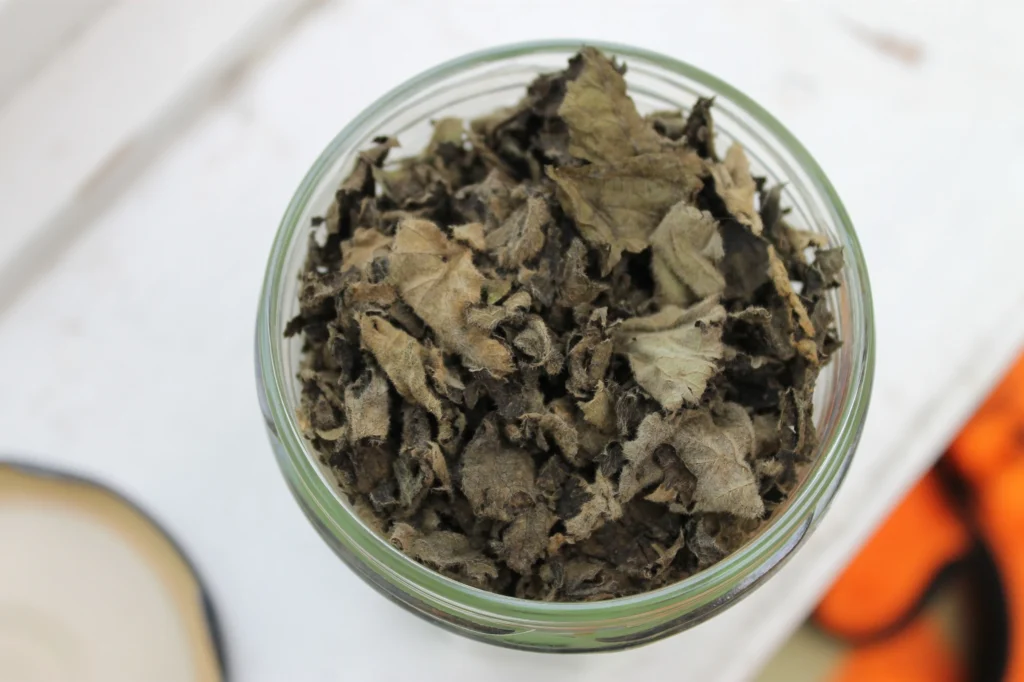
Blackberry leaves are very tannic, which gives them a similar drying sensation to the traditional tea you are used to. Just like caffeinated tea, you can also brew the leaves fresh like a green tea or leave them to oxidise so they go dark and yummy like a black tea.
That’s where the similarities end, however.
Blackberry leaf tea can taste fruity, in a dark stone fruit kind of way. If you’ve read my tea reviews here on the blog, you’ll know just how popular it is as an ingredient in herbal teas – it provides deep fruity notes without requiring dried fruit which goes off faster than dried leaves.
Historically, blackberry leaf tea was made in the UK for medicinal purposes rather than for drinking. It was used for ulcers, gum disease, a sore throat, and many other ailments.
Read my full guide to foraging blackberry leaves for tea to learn more.
2. Dandelion Root Tea
Best Time of Year: September
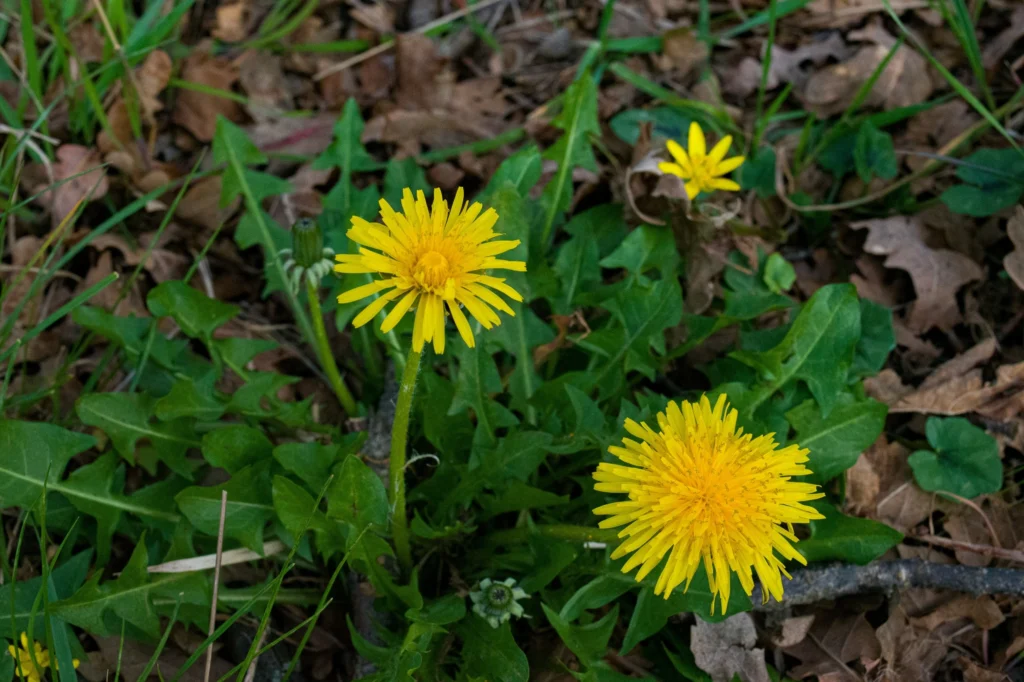
Did you know that all parts of the dandelion plant are edible? Many people know that the leaves are a great addition to a foraged salad, but the root is also edible and makes a really good tea.
If you like dark, rich flavours like strong tea or coffee, dandelion root tea is for you.
To make it, you can harvest dandelion roots from your back garden (autumn is the best time for this), give them a very thorough wash and scrub clean, then roast them dry. The best way to do this is chop the roots into small pieces and bake in the oven for roughly 20 minutes – they should turn dark brown.
Then it’s just the case of brewing the dried, roasted roots in water to make tea. You can also add chai spices and plenty of milk to this foraged tea. Warm spices really compliment the flavour of dandelion root.
3. Elderberry Tea
Best Time of Year: August
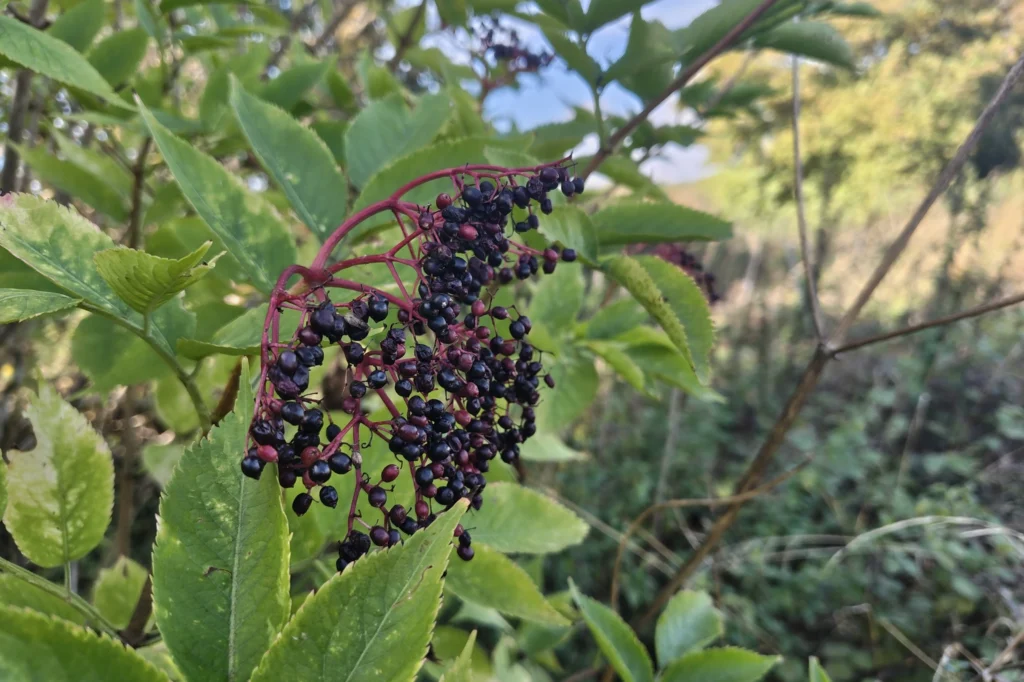
The flavour of elderberries is tannic (are you noticing a theme here?) and not overly sweet. They also require heating before they can be consumed, so they’re ideal for tea.
Unfortunately for elderberries, they share the season with the much more appetising blackberry. For this reason, they’re usually left on the tree for the birds… though let it be noted that I’ve never seen a bird or any other wildlife eating them.
To make elderberry tea with fresh berries, you’re really making a kind of juice. Heat the berries until they break down, then strain out the liquid and add water to your desired strength.
The better (but longer) way to make elderberry tea is to dry the berries first. Wash them thoroughly then spread them evenly across a baking sheet. Put in your oven on the lowest setting and check them every 10 minutes or so until they are completely dry. Store in a sterilised jam jar and brew a teaspoon to make a mug of drying dark fruit tea.
4. Mugwort Tea
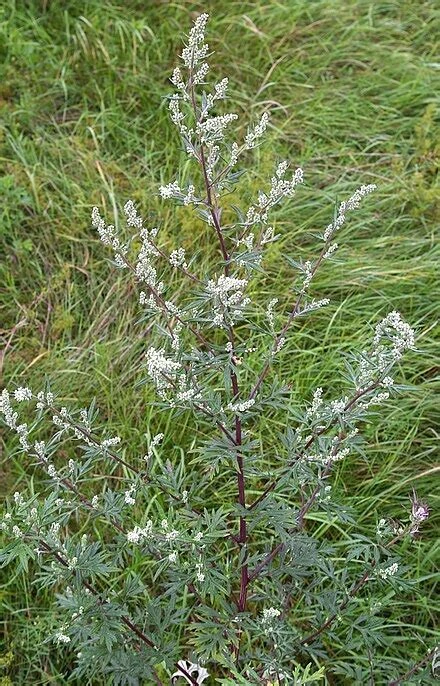
Best Time of Year: July
When it comes to herbal tea, chamomile and mint are the usual go-tos that can be grown in a British garden. But another option that can be foraged across the UK is mugwort.
Mugwort, Artemisia vulgaris, is a wild herb that grows up to 1.5 metres tall. It has feathery leaves and fragrant flowers in the summer – it smells similar to rosemary. The flavour is earthy and slightly bitter.
The leaves and flowers are harvested to make tea. Simply pick them and dry them (use a herb drying rack or try drying them in the oven on the lowest setting until totally dehydrated), then brew like any herbal infusion.
The hardest part of making mugwort tea is identifying the plant – and even that isn’t difficult if you’ve got a good photo to go off.
Apparently drinking mugwort tea before bed can give you very vivid dreams!
5. Yarrow Tea
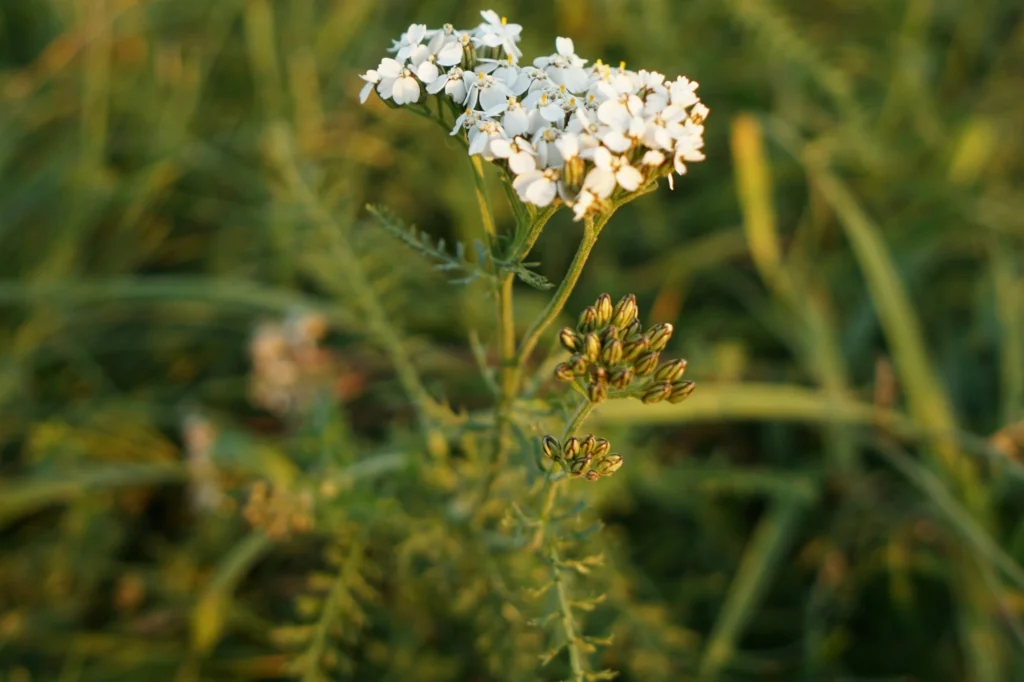
Best Time of Year: May
There are many wild plants in the UK that can be made into tea for medicinal properties… but most off them will taste rather unpleasant. Yarrow is one of those that has both potential medicinal properties and a mildly pleasant flavour (though you won’t find yourself craving a cup at the end of a long day).
Pick the young leaves of the yarrow plant to make tea, as they’ll have the best anise flavour. You can brew the fresh leaves or dry them using the same process as mugwort and elderberries.
Yarrow is most well-known for wound healing when applied topically, but it might also help with digestion and menstruation when consumed as tea.
Foraging for Tea
Choosing to eat local produce, foods native to the area around you, can be part of finding flow according to the Navigation Codex.
If you are new to foraging in general, I recommend getting a good foraging book. My favourite is John Wright’s The Forager’s Calendar.
And if you’re reading this because you’re interested in trying different teas but not so keen on the foraging/growing aspect, then you can find all the teas mentioned available to buy:
- Blackberry leaf tea by Valley of Tea
- Dandelion root tea by Clipper
- Elderberry tea by Lowhill Valley
- Mugwort tea by Health Embassy
- Yarrow tea by Valley of Tea
Let me know how you get on in the comments below.